From Checkout to Conversion: How Frictionless Payments Boost Sales

You’ve done everything right — your product pages shine, your ads are optimized, and your customers are ready to buy. But at the final moment, something goes wrong: the checkout experience stalls.

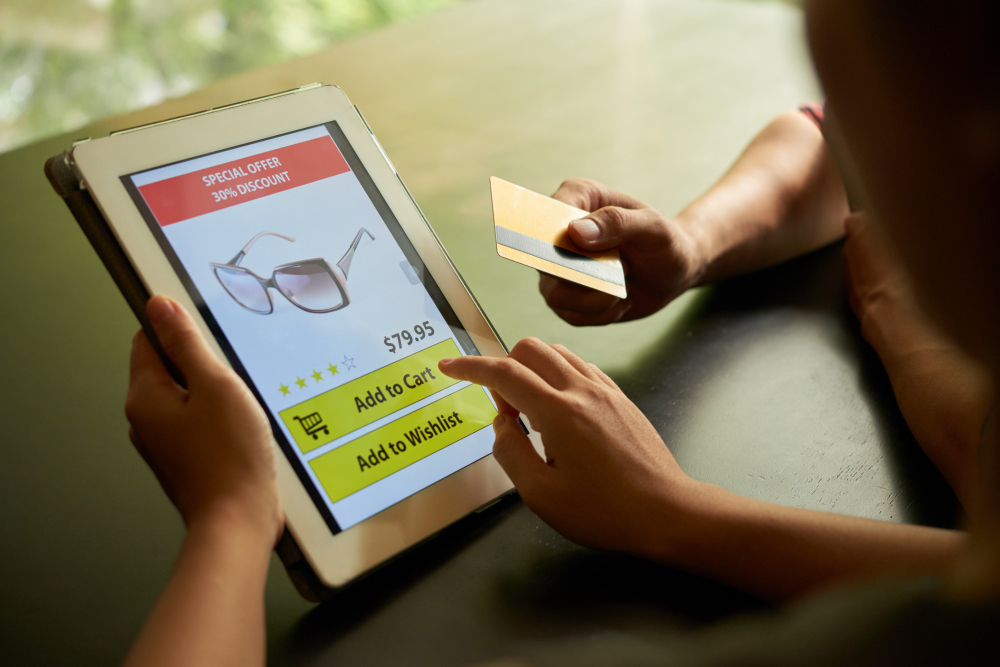
According to industry data, nearly 70% of online carts are abandoned — and payment friction is one of the top reasons. When customers face complicated forms, limited payment options, or long processing times, they drop off.

This is where Virtual Pay makes a difference — turning checkout into conversion through fast, flexible, and frictionless payment experiences.

What Exactly Is “Friction” in Payments?

Payment friction is any obstacle that slows down or complicates a customer’s ability to pay. It can take many forms:
• Too many form fields or redirects
• Unsupported currencies or payment methods
• Unclear pricing during checkout
• Failed or delayed payment confirmations
• Lack of mobile optimization

These small points of friction add up, especially in today’s impatient digital economy. The modern consumer expects one-tap convenience — and if your checkout isn’t effortless, your competitors are just one click away.

The Power of Frictionless Payments

A frictionless payment process doesn’t just “feel” better — it directly drives business results.

Higher Conversion Rates — The simpler the process, the more likely customers are to complete their purchase.
Faster Transaction Speed — Customers love instant confirmations and seamless flows.
Global Accessibility — Offering multiple currencies and payment methods ensures you never lose a sale because a customer can’t pay the way they want.
Trust & Transparency — Security messages and a clean interface build confidence, encouraging customers to complete payments without hesitation.

Virtual Pay: The Engine of Effortless Checkout

Virtual Pay was built on one principle — payments should be invisible, instant, and intelligent.

One Gateway, All Options — Accept cards, bank transfers, mobile money, and cryptocurrencies — all from one platform.
One-Click Payment Links — Merchants can create and share secure payment links through email, WhatsApp, or SMS.
Mobile-Optimized UX — Our checkout pages are designed for smartphones first — with auto-filled forms and instant responses.
Smart Routing & Instant Settlements — Transactions are automatically routed for speed and reliability.
Integrated Security — Virtual Pay’s infrastructure combines encryption, tokenization, and AML/KYC checks — ensuring safety without slowing the user experience.

The Psychology of a Perfect Checkout

Behind every transaction is a decision — and psychology plays a huge role in how quickly customers complete it.

What makes a great checkout experience:
• Clarity: Every step must be intuitive.
• Speed: Customers expect confirmation in seconds.
• Control: Offering preferred payment options increases comfort.
• Reassurance: Small cues like “Secure payment” or “Trusted gateway” reduce hesitation.

By aligning your payment experience with how people behave online, you don’t just collect revenue — you build brand trust.

Real-World Example: Turning Payments Into Growth

Consider an eCommerce business selling digital services across Africa and Europe. Before integrating Virtual Pay, the company faced:
• 25% failed transactions from unsupported cards
• High abandonment rates on mobile
• Slow crypto settlements

After switching to Virtual Pay:
• Conversions increased by 31%
• Checkout time dropped from 90 seconds to 30
• Crypto payments settled instantly to fiat via on-ramp

The result? More revenue, less frustration, and happier customers.

The Hidden ROI of Frictionless Payments

Improving checkout flow doesn’t just improve conversion — it has a compounding effect:
• Lower customer acquisition costs
• Higher average order values
• Better data for remarketing

Optimizing your payment gateway is one of the most profitable growth moves a digital business can make.

How to Audit Your Checkout Experience Today

Ask yourself these five questions:
1. Can my customers complete a purchase in under one minute?
2. Do I offer at least three payment methods (including crypto)?
3. Is my checkout page optimized for mobile?
4. Are failed payments automatically retried or flagged?
5. Does my gateway communicate trust through design and language?

If you answered “no” to any of the above, it’s time to upgrade your system — and Virtual Pay can make that transition seamless.

Conclusion: From Payment Pain to Payment Gain

Checkout shouldn’t be the hardest part of doing business — it should be the easiest.

Virtual Pay helps businesses reduce friction, increase conversions, and deliver the kind of smooth payment experience today’s customers expect.

Because in digital commerce, it’s simple: the smoother the checkout, the stronger the conversion.

Ready to boost your sales?
→ Discover how Virtual Pay’s frictionless gateway can power your business.

Bridging Fiat and Crypto: The Future of Seamless Payments

The Payment Revolution Has Already Begun

The global economy is changing — and so are the ways people move money. Businesses are no longer limited to traditional payment systems that take days to settle or charge high transaction fees. At the same time, cryptocurrencies and stablecoins are rapidly gaining ground as fast, borderless alternatives.

Yet one challenge remains: how to bridge the gap between the fiat and crypto worlds seamlessly and securely.

That’s exactly where Virtual Pay is leading the charge — by building an integrated ecosystem that allows merchants and customers to transact across both currencies effortlessly.

The Problem: Two Worlds, One Need

Fiat payments (like USD, EUR, or KES) still dominate everyday commerce, while crypto assets offer efficiency and decentralization. But merchants who want to accept both often face friction:
• Complex integration between traditional banking and blockchain networks.
• Regulatory uncertainty around KYC, AML, and cross-border compliance.
• Volatility concerns in crypto settlements.
• Limited technical support from existing gateways.

This disconnect means many businesses miss out on opportunities — whether it’s serving crypto‑savvy customers or entering new international markets.

The Virtual Pay Solution: One Gateway for All Payments

Virtual Pay was built to solve exactly this problem. Through a unified payment gateway, merchants can now accept, process, and settle both fiat and crypto transactions from a single dashboard.

Fiat + Crypto Integration — Our hybrid system connects directly with traditional banks, card networks, and blockchain protocols — giving you one cohesive flow from checkout to settlement.

On‑Ramp & Off‑Ramp Simplicity — Merchants and users can easily move between fiat and crypto — buy with a card, settle in digital assets, or vice versa.

Multi‑Currency Support — Virtual Pay supports major global currencies and leading cryptocurrencies, allowing you to operate globally without friction.

Compliance & Security First — We embed KYC/AML, transaction monitoring, and encryption standards into every layer — ensuring safety, transparency, and full regulatory alignment.

By combining traditional payment rails with crypto infrastructure, Virtual Pay creates the kind of seamless, future‑ready experience that modern merchants need.

The Business Case: Why Hybrid Payments Matter

Global Reach — Accepting crypto opens your business to customers in regions where card access is limited but digital assets are widely used.

Faster Settlements — Crypto payments settle in minutes, reducing liquidity lags common in bank transfers.

Lower Transaction Costs — Blockchain transactions often cut out intermediaries — saving merchants on processing fees.

Enhanced Trust — Transparent ledgers build confidence with both customers and regulators.

When paired with fiat systems through a single, trusted gateway like Virtual Pay, these benefits multiply — making payments not only faster, but smarter.

Compliance: The Quiet Hero of the Hybrid Era

Regulatory clarity is catching up to crypto innovation. From the EU’s MiCA framework to Africa’s evolving virtual asset guidelines, governments are creating guardrails that legitimize the space.

Virtual Pay stays ahead of these changes — maintaining strong AML/KYC protocols and working closely with compliant financial partners. That means merchants can innovate without risking regulatory exposure.

We believe that trust is the new currency — and compliance is its foundation.

Use Case: Empowering the Global Merchant

Imagine a travel platform in Kenya selling packages to customers in the US, Europe, and Asia. Some pay in dollars via card, others in Bitcoin or USDT.

Traditionally, managing both would require separate systems, costly conversions, and long settlement delays.

With Virtual Pay:
• The platform plugs into one API.
• Accepts both crypto and fiat instantly.
• Settles to its preferred currency automatically.
• Monitors compliance in real time.

That’s not just integration — that’s transformation.

Looking Ahead: CBDCs, Stablecoins & the Future

As stablecoins and Central Bank Digital Currencies (CBDCs) evolve, the distinction between “crypto” and “fiat” will blur further. Payment gateways must be flexible enough to handle digital euros, tokenized dollars, or stablecoins tied to African currencies.

Virtual Pay’s infrastructure is already built for this future — modular, compliant, and blockchain‑ready. The goal is simple: to make value move as easily as information.

Conclusion: The Bridge Is Built

The payments landscape is no longer divided — it’s converging. Businesses that adopt hybrid payment systems today will be tomorrow’s leaders in cross‑border commerce.

At Virtual Pay, we’re building the technology that connects both worlds — empowering merchants, protecting customers, and paving the way for a truly borderless economy.

Ready to future‑proof your payments?
→ Learn how Virtual Pay can integrate fiat and crypto into your business.

What Are Chargebacks and How To Prevent Or Dispute Them

Smart business owners know that a transaction is simply the start of a customer’s relationship with their business. Various factors start to work as soon as they decide to purchase, providing chances to earn their loyalty or risk losing them forever. Although securing a sale is the ultimate objective, it’s critical to understand that several problems, including poor website security, ambiguous data, and unresponsive customer service, can result in difficult circumstances.

Every business owner wants to increase income, but despite their best efforts, even the best conversion methods can result in customers asking for a refund. In this research, we have covered every aspect of chargebacks, including what they are, how they work, what causes them, and, most significantly, how smart business owners may prevent them.

What Is a Chargeback?

A chargeback represents a financial U-turn. It’s the moment when the cash you thought was safely in your pocket takes an unexpected detour back to your customer’s bank account. This reversal typically happens after a customer disputes a charge made with their debit or credit card, prompting their bank or credit card provider to swing into action. While customers usually initiate chargebacks, it’s worth noting that businesses have the power to request them as well. However, this is a less common scenario.

Now, let’s take a closer look at the good news. The global chargeback-to-transaction ratio has been on a downward trend, meaning that, year after year, there are fewer chargebacks relative to the overall number of transactions. This cheerful shift can be attributed to the growing investments made by businesses in various preventive measures, which we’ll explore further shortly.

However, the not-so-rosy side of the story is that chargebacks still pose a substantial and costly problem intimately tied to business fraud. A study by Juniper Research sent shockwaves through the e-commerce landscape when it projected that in 2021, these businesses could lose a staggering $20 billion due to fraud—a notable 18% increase over the $17.5 billion lost in 2020. As if that weren’t enough, according to The Statista Report, the larger enterprises and mid-market players bear the brunt of e-commerce chargeback rates, overshadowing the experiences of small businesses.

For instance, mid-market companies faced chargebacks in 2.8% of their online orders, while small and midsize businesses encountered a slightly lower percentage of 2.4%. This data showcases the pervasive and ever-evolving issue of chargebacks and the disparities in how different segments of the business world cope with this financial hurdle.

Understanding The Chargeback Process

The chargeback procedure is complicated, with each payment service taking a different route. The average time for these proceedings to conclude is 120 days. At VirtualPay, we can anticipate and stop many fraudulent transactions before they even take place because of the strength of our unique machine-learning algorithms.

Additionally, we prioritize keeping you informed at every stage of the chargeback process with helpful alerts on your VirtualPay Dashboard if they occur. Let’s start with a broad explanation of the chargeback procedure used by most big processors to simplify this complex process.

Step 1: A purchase is made.

It all starts with a purchase. Whether made in person, through an app, or online, every chargeback kicks off with a customer’s initial transaction.

Step 2: Chargeback is begun by the customer

Customers may discover a charge they didn’t approve when they inspect their monthly credit card account. In response, they get in touch with the issuing bank—also known as the credit or debit card company—to ask for an inquiry into the disputed transaction.

Step 3: Issuing Bank Contacts, the Merchant’s Bank

Once the customer initiates the chargeback process, their bank swings into action. They contact the merchant’s bank, seeking proof that the customer made a valid purchase. This evidence may include invoices, proof of delivery, receipts, or any other documentation the merchant can produce to validate the transaction.

Step 4: Making a decision

After thoroughly examining the provided evidence from the merchant’s bank, the cardholder’s bank faces the critical decision of determining whether the purchase was legitimate.

Step 5: The customer is informed.

This is the pivotal moment. The customer must either accept the proof provided by the acquiring bank and move forward with paying for the goods, or they can persist in disputing the purchase, thereby entering a process known as arbitration. If the acquiring bank rules that the purchase was invalid, the cardholder – the customer – will receive a refund.

A Few Typical Reasons for Chargebacks On Credit Cards

Customers and organizations alike may experience a tornado of emotions due to chargebacks, those dreaded financial U-turns. Understanding the typical causes is the first step in preventing them and preserving a smooth, reliable transaction process. They can surface for a variety of reasons. Let’s examine a few of the most common reasons for credit card chargebacks.

Product Problems

Chargebacks can occasionally result from a client being dissatisfied with a good or service. Given the subjective nature of service quality, adjudication can be difficult for professional services.

Shipping Challenges

You are headed for a chargeback when a customer excitedly anticipates a transaction, but it never shows up. Ensure you have a streamlined delivery system with useful tracking numbers to avoid this regrettable circumstance. An organized and transparent shipping process can frequently come to the rescue.

Unauthorized Transactions

When a consumer who has never made a transaction from you notices an unusual charge from your company, alarm bells go off, and a chargeback is about to happen. Consider purchasing an Electronic Point of Sale (EPOS) system that can handle chip cards and secure payment options like Apple Pay and Virtual pay if you want to protect your company from such dishonest practices.

Using chip and PIN technology in African merchants, supported by the legal step, has changed the game. This technique offers protection against fraud in addition to enhancing security. A chip and PIN reader is necessary for small enterprises to start breathing.

Unidentified company names

Even if it is formally registered as “G.W. Ventures,” your company is recognized as “Groceries World.” Customers may unintentionally initiate a chargeback when they see a suspicious transaction from G.W. Ventures because they believe it to be a fraudulent purchase. Keep your branding clear and consistent to avoid customer misunderstanding.

Technical Glitches

Customers may unintentionally be paid for things they did not plan to purchase due to a broken website or errors during the checkout process. The cure? Integrate a reliable Point of Sale (POS) system with an easy-to-use checkout procedure. Success is a result of simplicity.

Problems with Credit Processing

Customers may experience misunderstandings or delays throughout the return or credit procedure, which might result in chargebacks. Just imagine yourself sending something back and excitedly checking your bank account for the refund—only to discover nothing. Ensure you have a solid system for processing returns and credits to avoid this. During purchase, be open and honest about your return and cancellation policies to ensure everyone’s expectations are met.

How To Prevent Chargebacks

Even the art of defense may not be as important as preventing chargebacks. Although winning a chargeback defense may appear to be a gain, there is a hidden cost because each defense reduces your chargeback ratio and might label your business as “high-risk.” Furthermore, fighting chargebacks takes a significant toll on resources. How, therefore, can you safeguard your business from these monetary setbacks? Let’s look at some important tactics for preventing chargebacks.

  • Verify AVS with Online Payments: Selecting a reliable payment gateway or online payment processor is your first defense for online orders. These systems can verify the Address Verification System (AVS) on file for the card used, adding a layer of security to your transactions.
  • Accurate Item Descriptions: Transparency is your ally. Accurately describing your products or services is essential. Customers who receive items that don’t match the description have valid grounds for chargebacks. Honesty builds trust and can help you avoid this pitfall.
  • Exceptional Customer Service: Prompt and courteous responses to customer service issues are your insurance policy against chargebacks. A satisfied customer is less likely to escalate an issue to a chargeback.
  • Signature for In-Person Purchases: Whenever possible, aim to obtain a customer’s signature for in-person purchases. This physical evidence can be invaluable in resolving disputes and preventing unjustified chargebacks.
  • Validate ID for Credit Card Purchases: Consider requiring a valid government-issued I.D. Retaining proof of all credit card orders can help safeguard your business and reduce chargeback risks.
  • Clear Return Policy: A crystal-clear return policy benefits both you and your customers. An easy-to-understand return policy sets expectations, reduces confusion, and minimizes chargeback triggers arising from dissatisfaction.
  • Recognizable Business Name: Ensure your business name on credit card statements is easily recognizable. Customer confusion over the source of a charge can lead to unwarranted chargebacks.
  • Signature Upon Delivery: When delivering physical goods, opt for a service that requires a recipient’s signature upon arrival. This provides proof of delivery and minimizes the chance of “item not received” chargebacks.
  • Employee Training: Properly trained employees are your first line of defense in preventing chargebacks. Equip them with the best practices for both card-present and card-not-present transactions, ensuring that your team is prepared to handle transactions effectively.

Ways To Dispute a Chargeback

Despite your best efforts, chargebacks will inevitably occur in this day as we mentioned earlier in this age of commerce. When that time comes, having a well-defined plan of action to judge the veracity of fraud claims and chart the course ahead becomes crucial. An insightful explanation of the chargeback dispute procedure is provided below:

1. Establish the validity of the dispute

After hearing about a chargeback, your first duty is to determine if it is indeed the result of fraud or if a customer care fault is to blame.

2. If the charge is authentically false

When your inquiry reveals actual fraud, what to do next is clear. You should immediately let the customer’s issuing bank know that you won’t fight the chargeback and request that they give the customer their money back. In addition, it’s critical to notify your payment processing company of the fraud incident and investigate whether it was an isolated incident or a sign of a larger problem affecting other transactions.

3. When Friendly Fraud Occurs

If, upon additional inspection, it becomes clear that no genuine fraud has taken place and the chargeback is the result of other factors, your strategy changes. The main reason for the chargeback’s start should be addressed before talking to the client about it. Nevertheless, contesting the chargeback is frequently a required activity that entails the following steps:

  • Get in with the customer

Through direct conversations with the customer, many chargeback problems may be handled. Give the customer your undivided attention as you express your sincere desire to fix the problem that caused the chargeback. Most of the time, starting a conversation and looking for a solution that all parties can accept is beneficial. Ultimately, this route is better for your business than a chargeback, even if it results in a refund.

  • Offer Supporting Data to Dispute the Chargeback

It’s time to gather your proof if attempts to resolve the issue with the customer are unsuccessful, and you are still certain that no actual fraud occurred. The existence of receipts, confirmation numbers, shipment information, or any other relevant documentation can attest to the authenticity of a transaction. Usually, your payment processing company will be the one to speak with the customer’s issuing bank on your behalf and offer this proof. You will next wait for the issuing bank’s decision on whether to accept or reject the chargeback.

Conclusion

Preventing chargebacks takes precedence over disputing them, for a successful defense can still tip your business into the ‘high-risk’ category. With each dispute, valuable resources are drained, and your business’s standing remains in jeopardy.

While chargebacks are inevitable in the business landscape, they are not insurmountable. By implementing robust strategies, you can significantly lower the risk of chargebacks, creating a more secure and trustworthy environment for your customers.

With Virtualpay, you can safeguard your business and build lasting customer relationships. Embrace the future of commerce with confidence, and let Virtualpay be your partner, ensuring that your business sails smoothly through the waves of commerce without a complaint in sight.

Ways To Make Recurring Billing Effective For Your Business

Effective recurring billing is one of the major ways to preserve financial stability and increase income streams in today’s fast-paced corporate environment.

Modern company operations must include recurring billing. Let’s start with the essential query to launch our study: What are the most efficient methods for recurring billing? In simplest terms, it is setting up a system where clients are automatically invoiced for your goods or services at regular monthly or yearly periods. This time-saving strategy also improves the predictability of cash flow.

Are you now wondering how to ensure that this important component of your company runs smoothly? Let’s explore the complexities of implementing recurring billing effectively for your business and discuss ways to lower churn, raise customer pleasure, and increase your profit margin.

Prioritize Customer Convenience

Let’s look at how you can make client comfort the priority in your business’s billing system, which is a significant game-changer. Making things simpler is important, but providing an experience that makes your consumers feel appreciated and cared for is also important.

User-Friendly Billing Systems

When your customers access their accounts to manage their subscriptions, they are welcomed with a simple, user-friendly interface that smoothly leads them through the process. This is the secret of intuitive billing systems.

Think about the Netflix illustration. Subscribers may easily change their plans, update their payment information, or cancel their membership with just a few clicks – all without having to wade through a maze of options. Such straightforwardness increases consumer loyalty while simultaneously lowering irritation. The key is to give your clients the ability to decide how they interact with your business.

Flexible Payment Methods

Each consumer has a different set of payment choices. It’s critical to provide a variety of payment methods in order to accommodate this diversity. Your billing system should be able to process credit cards, electronic wallets like PayPal or Apple Pay, and conventional bank transfers, all without any issues.

Consider a situation where one client, John, wants to use his credit card, but another, Sarah, prefers the ease of a digital wallet. You foster a welcoming and inclusive environment by considering both of these preferences. This adaptability strengthens your company’s and its clients’ relationship by demonstrating that you appreciate their choices.

Subscription Customization

Clients appreciate alternative payment. One effective strategy to raise customer happiness and boost retention rates is to let customers customize their subscriptions to suit their requirements. When a user signs up for your streaming service, a menu of options, including various content bundles, add-ons, and billing cycles, is displayed to them. Ensuring that clients only pay for the things they actually desire, this degree of customization creates a sense of justice and control.

Customers are more likely to remain interested in your business when they feel like they have a voice in the subscription they choose. Their interest in your services is maintained if they can modify and fine-tune their subscription depending on their changing demands.

Automate the Billing Process

Precision is paramount, and automating your billing process cannot be ignored. It’s about saving you time and reducing errors. Let’s see how you can make them practical for your business to ensure your customers have a seamless experience.

Recurring Invoicing

You don’t have to be concerned about manually distributing invoices, pursuing unpaid bills, or handling inconsistencies. That desire can now come true due to automated recurring invoicing.

With this useful tool at your disposal, you may program bills to be created and delivered automatically. The system handles it all, whether your clients are on a monthly, quarterly, or yearly billing schedule. This translates into fewer overdue payments, less angry clients, and more time for you to concentrate on expanding your business, which is what you do best.

No more manually entering data, missing payments, or spending late nights on invoicing paperwork. Quick invoice delivery to your clients lets you relax, knowing your cash flow is on schedule. It benefits both parties.

Payment Reminders

Untimely payments can be a source of frustration for any business owner. However, there is no need to be concerned because automated payment reminders have arrived to resolve this problem.

Having a virtual assistant who sends reminders to your clients when their payments are overdue in a manner that is both kind and forceful. There will be no more unpleasant phone conversations or email discussions ever again. Because the system handles everything for you, you won’t have to worry about the difficulty of preserving positive connections with your customers.

Additionally, this function is not only about being courteous but also about your financial bottom line. Your sales and cash flow may take a substantial hit due to late payments. You can ensure that payments will be made on time and limit the number of people who are late by setting up automatic reminders.

Subscription Management

Although operating a subscription-based business might be a great method to ensure ongoing income, it has unique difficulties. Managing downgrades, upgrades, and cancellations may be a logistical headache. In this situation, using subscription management tools is one approach to improve the efficiency of recurring billing for your business.

These technologies precisely automate these operations in addition to automating them. The system effortlessly processes a customer’s request to upgrade to a premium plan and applies the appropriate billing amount. Likewise, no manual interventions are necessary when a consumer decides to cancel.

Not only can automation in subscription management save you time, but it also guarantees accuracy. Your clients will like the simplicity and openness with which they may modify their subscriptions. Happy consumers are more likely to continue using your service, which is advantageous for your business.

Ensure Clear Communication

The last section of our list, according to Virtual Pay research, that will help you to make recurring billing effective for your business is communication. It’s the cornerstone of trust and customer satisfaction. But let me show you how these can work better for you.

Transparent Pricing

Consider living in an environment where every purchase you made was accompanied by a hidden charge or another expense you weren’t expecting. It’s relatively aggravating. The sentiments of your clients are the same.

It is of the utmost importance to keep your pricing structure open and honest if you want to earn customers’ confidence and loyalty. Outline clearly and concisely what your customers are paying for and any prospective future adjustments to your billing procedure.

Take a moment to imagine that you are purchasing on the internet. The website not only lists the cost of the item, but it also provides a detailed and easy-to-understand explanation of any additional fees or costs, such as those associated with shipping or taxes.

This transparency protects you and your customers from unpleasant shocks and helps build confidence between you. They are well aware of what they are getting themselves into, resulting in fewer disputes and a more satisfying encounter.

Billing Cycle Notifications

Put yourself in your customers’ position. Realize you’ve been charged for a subscription you forgot about after receiving your credit card statement. Annoying, right? Sending early messages to your customers before billing cycles helps avoid such situations and fosters trust.

Let me illustrate how this works with a short example. Now that you have a magazine subscription, a polite email informing you of the impending fee comes a week before your subscription expires. This straightforward action demonstrates your dedication to openness while also ensuring that your clients are informed of their financial obligations. You may reduce conflicts and promote a feeling of collaboration between your business and the people it serves by keeping your customers informed.

Customer Support Channels

Questions and concerns are bound to arise when it comes to billing. That’s where accessible customer support channels come into play in making your recurring billing effective for your business. Providing quick and helpful responses to billing-related queries can be a game-changer in preventing customer churn.

Consider a situation when a customer has a problem with their billing. When they contact your customer service department or you as a personal business owner, they get a quick, helpful answer that resolves the problem and makes them feel important. This helpful exchange may transform a potential issue into a chance to improve the client-company relationship.

Conclusion

If you want your business to succeed, effective recurring billing procedures must be implemented. Recent data shows that businesses prioritizing customer comfort and clear communication saw an amazing 89% rise in customer retention rates.

You not only increase client happiness by providing user-friendly billing systems, open pricing, and proactive communication, but you also secure long-term financial stability. So, use these tactics in your daily operations and watch your business prosper in this current market.

Choosing The Right Woocommerce Payment Gateway: A Comprehensive Guide

The availability of simple payment alternatives for your customers is a significant factor to consider when it comes to utilizing a successful online business. Choosing the best payment gateway is crucial because it might significantly influence your sales. You may optimize your online store for higher conversion rates by knowing your target market and catering to their tastes. However, the selection procedure could appear complicated, given the wide variety of payment channels offered by WooCommerce.

With the help of this post, we hope to make the decision-making process easier for you while also giving you useful information on payment gateways. You will learn about the basic components of a payment gateway, important things to consider when selecting one, and the best gateways that your WooCommerce store can easily connect with.

Understanding Of Payment Gateways

The necessity for reliable payment security methods has grown as e-commerce and internet enterprises have flourished. Payment gateways are the unsung heroes, facilitating simple yet safe online transactions.

How A Payment Gateway Functions And What It Is

A payment gateway’s primary function is to serve as a technological link between online businesses and their clients, enabling safe and straightforward financial transactions. The payment gateway, which is invisible to you when you make an online purchase, securely transports your payment information from the merchant’s website to the associated financial institutions, including banks or credit card providers.

When you start a payment on the merchant’s website, the procedure gets started. Your payment information, including credit card information, is encrypted by the payment gateway before being sent securely to the appropriate financial institution for validation. The payment gateway alerts the merchant when the transaction is approved so they may proceed with the transaction. This quick and easy information transfer guarantees your critical data’s privacy and security.

The Part Payment Gateways Play In Making Internet Purchases Easier

Payment gateways enable retailers to accept various payment methods, including credit cards, debit cards, digital wallets, and even cryptocurrencies, through a smooth connection to their e-commerce platforms. Payment gateways allow businesses to serve a wider range of customers, increasing their income potential.

Payment gateways provide security from the buyer’s point of view. Payment gateways safeguard sensitive client data by implementing cutting-edge encryption and security standards, reducing the possibility of fraud and unauthorized access. This fosters a great shopping experience and promotes repeat business by establishing trust and confidence in online customers.

Additionally, payment gateways allow transaction procedures to be automated, minimizing the need for human labor and optimizing business operations for both customers and merchants. They take care of duties including processing refunds, organizing recurring invoicing, and verifying payments, giving merchants significant time to concentrate on other facets of their business.

The Payment Gateway Types That Woocommerce Supports

In order to meet the needs of various merchants, WooCommerce, a well-known e-commerce platform, provides a variety of payment gateway alternatives.

  1. PayPal:A leader in online payments globally, PayPal enables businesses to accept client payments. Many WooCommerce users use PayPal due to its strong security features, easy integration, and reliable reputation. PayPal Express Checkout and PayPal Pro are only a couple of the many payment alternatives it provides, giving it flexibility for varied company models.
  2. Square:Square offers an integrated payment solution for WooCommerce and is renowned for its user-friendly interface and extensive range of capabilities. Square is the best option for businesses with both brick-and-mortar storefronts and online operations since it enables them to collect payments in person, online, or via mobile devices. Square provides a comprehensive payment experience with tools like inventory management and sales analytics.
  3. Virtual Pay:A quick, secure, and dependable payment gateway, Virtual Pay has successfully designed a WooCommerce plugin created particularly for WooCommerce. Virtual Pay streamlines the payment process for customers and merchants by seamlessly integrating into the WooCommerce platform. It allows various payment options, such as credit cards and digital wallets, guaranteeing a simple and seamless checkout process.
  4. Amazon Pay:By utilizing the popularity and recognition of the Amazon brand, Amazon Pay enables WooCommerce retailers to provide millions of Amazon customers with a dependable payment experience. It also offers sophisticated fraud detection capabilities, improving buyer and seller security.

Factors To Consider When Choosing A Payment Gateway

Choosing the Most Effective Option for Quick Online Transactions. It is crucial to consider numerous aspects that affect the efficacy and efficiency of your payment processing.

1. Fraud and Security Protection

Prioritize vendors who offer strong security features like encryption, tokenization, and fraud detection systems when choosing a payment gateway. The safe transmission of payment information between your website, the payment gateway, and the financial institution is ensured by advanced encryption.

While tokenization keeps the real data maintained on safe servers, it adds additional protection by replacing sensitive payment information with one-of-a-kind tokens. To reduce the danger of fraudulent transactions, search for payment gateways that use powerful fraud detection algorithms.

2. Compatibility with WooCommerce

This connection improves the productivity of your e-commerce firm overall by streamlining procedures, lowering human labor, and reducing errors. There are several advantages to using a payment gateway specially made for WooCommerce. Virtual Pay woo-commerce plugin integration can help with this connection.

Your setup will be simple and quick, enabling you to receive payments immediately. Its interoperability with WooCommerce’s features and operations, such as inventory management, order tracking, and reporting, gives you and your customers a seamless and unified experience.

3. Payment Methods and International Support

A payment gateway with various payment methods supported and the ability to process foreign transactions is necessary if you want to increase your customer base internationally. A payment gateway’s compatibility with widely used debit cards, credit cards, digital wallets, and other payment options in your target markets should be considered.

4. Costs and Transaction Fees

While concentrating on a payment gateway’s features and capabilities, it’s critical to consider the associated transaction charges and fees. Different payment gateways use different price structures, such as fixed transaction fees, percentage-based fees, and recurring monthly costs.

When determining transaction fees, consider the amount of business, the typical transaction size, and the anticipated growth.

Be mindful of additional expenses, including startup, chargeback, and PCI compliance fees. To maximize your profitability and return on investment, you must strike a balance between price and the value the payment gateway offers.

5. User Interface and Payment Process

A quick and simple checkout process may dramatically impact customer satisfaction and conversion rates. Choose a payment gateway with an easy-to-use interface for desktop and mobile devices. Customers should receive clear instructions and only need to complete a few steps in the checkout process.

Conclusion

This comprehensive guide has highlighted several key factors to consider when making your decision. Look for a payment gateway with robust security measures and advanced fraud detection tools. Opt for a payment gateway designed explicitly for WooCommerce, as mentioned above. However, our plugin integration for WooCommerce ensures compatibility and a hassle-free experience.

Consider the payment methods and international support offered by the gateway. Supporting a wide scope of payment options and providing global reach will cater to diverse customer preferences and enable you to expand your business internationally. Look for a transparent pricing structure that aligns with your business volume and needs.

The Evolution Of Digital Payments: Exploring Card And Mobile Payout Solutions

Digital payment evolution has revolutionized how we transact and conduct business. The convenience, speed, and security of digital payment solutions have transformed traditional payment methods and opened up new options for businesses and consumers alike.

The significance of exploring card and mobile payout solutions cannot be overstated.

According to recent studies, digital payments are experiencing unprecedented growth worldwide. In particular, the global mobile payment market is projected to reach a staggering $494.5 billion by 2030, growing at a CAGR of 27.2% over the analysis period 2022-2030. This exponential rise can be attributed to several factors, including technological advancements, changing consumer behaviors, and the increasing adoption of smartphones.

We will shed light on the benefits of card and mobile payout solutions as we delve into digital payments. From enhanced security measures to seamless user experiences, these payment options offer unparalleled advantages to businesses and individuals. By utilizing cards and mobile devices as payment tools, businesses can streamline transactions, reduce operational costs, and cater to the growing needs of tech-savvy customers.

Definition And Concept Of Digital Payments

Digital or electronic payments encompass the seamless transfer of monetary value between payment accounts through digital devices or channels. This comprehensive definition encompasses a range of payment methods, including bank transfers, mobile money transfers, QR code transactions, and various payment instruments such as credit cards, debit cards, and prepaid cards.

Please be aware that digital payments can be conducted both online and in physical locations. For instance, when you make a purchase on Amazon and utilize UPI as the payment method, it is considered a digital payment. Similarly, suppose you opt to pay via UPI instead of using cash when buying items from a local store. In that case, it is also classified as a digital payment.

Card Payout Solutions

Card payouts are a payment that businesses can make to their customers, employees, or other stakeholders. They involve the transfer of funds from a merchant account to a debit or credit card.

Instant card payouts are made in real-time, typically within 30 minutes. This type of payout is often used for gambling winnings or other types of payments where speed is essential. It can also be Scheduled regularly, such as daily, weekly, or monthly. This type of payout is often used for paying employees or suppliers.

There are several types of payment cards, the most common being:

  • Credit cards
  • Debit cards
  • Prepaid cards

A payment card is often electronically connected to one or more of the cardholder’s accounts. The card is a method of verifying the cardholder’s identity for these accounts, which might be bank, loan, or credit accounts. However, stored-value cards don’t always connect to an account at a financial institution; instead, the money is kept on the card itself.

It might also be a smart card with a special card number and security details like an expiration date, or it could include a Magnetic stripe on the back that lets different devices read and access information. Depending on the issuing bank and the client’s preferences, the card may be utilized as an ATM card, enabling transactions at automatic teller machines. This debit card can be linked to the customer’s bank account and usable for purchases at the POS or as a credit card attached to a revolving credit line provided by the bank.

Advantages Of Card Payout Solution

Card payouts offer several advantages over other payment methods, such as bank transfers or checks. They are:

  • Fast: Card payouts can be made in real-time, which is much faster than bank transfers or checks.
  • Convenient: Customers can receive their payouts directly to their debit or credit card, which is a convenient way to get paid.
  • Secure: Card payouts are processed through the same secure networks that are used for credit and debit card transactions.
  • Reduction in administration: Less administrative work is required since, regardless of how many transactions you make, using a business credit or charge card just requires one monthly payment. Itemized monthly statements can facilitate your administrative and accounting processes.
  • Globally recognized: Most cards are accepted everywhere; utilizing cards to pay for items when traveling abroad may result in better currency rates.

Mobile Payout Solutions: Overview Of Mobile Payment Technologies

The seamless transfer or settlement of money, generally for bills, goods, and services, refers to mobile payment. A mobile device is used as the main method of performing and validating the transaction. This contemporary payment method includes several technologies, including mobile browsers, SIM toolkits, and digital wallets.

Mobile payment is a key element of the wide variety of mobile financial services (MFS) currently offered, and it acts as a vital entry point to many other financial services available via mobile devices. Additionally, with the emergence of cryptocurrencies, a growing number of people have adopted these digital assets for use as payment methods, as well as for trading, saving, and investing.

How Does Mobile Payout Solutions Work

Customers may access financial transactions conveniently with mobile money services without opening a regular bank account. People may easily register using a simple mobile phone with a designated mobile money agent. These representatives provide a mobile wallet or virtual account that is easily connected to the client’s cell phone number.

Users may carry out a variety of transactions using this cutting-edge technology with the least amount of physical interaction.

Customers can utilize a user-friendly mobile money menu system, such as the SIM toolkit with SMS notification delivery, USSD, or a specialized mobile application, to make the procedure easier.

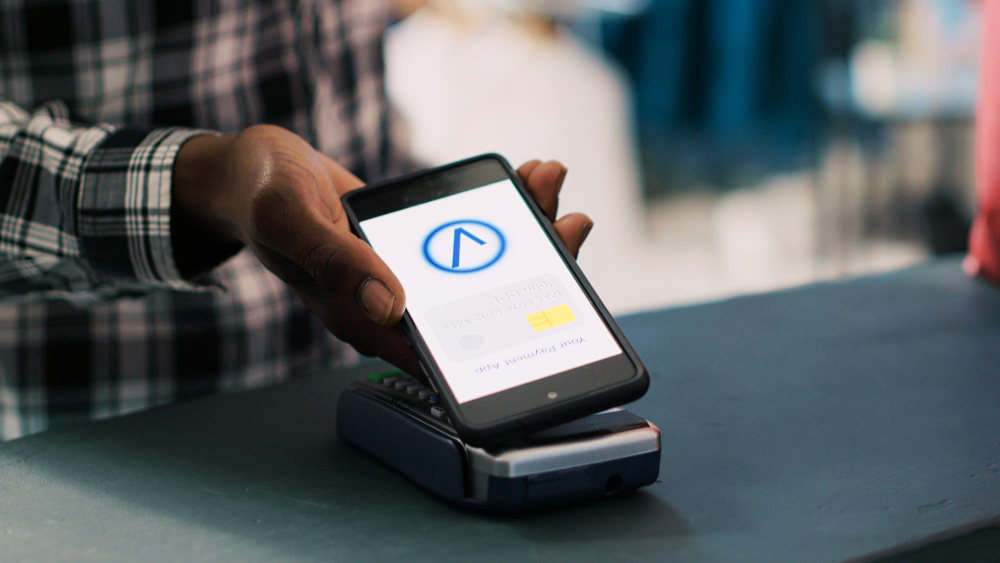
When customers utilize a mobile wallet, they can effortlessly hover or tap their smartphone over a payments terminal equipped with near-field communication (NFC) capabilities. The integration of advanced technology within both the mobile device and the terminal enables the secure transmission of encrypted payment data via radio-frequency identification (RFID) communication between the two devices.

  1. User Registration: Users have to create an account as the initial step. Typically, this entails setting up a strong password and supplying personal information like name, email address, and phone number.
  2. Linking Bank Account or Wallet: After registering, consumers have to link their bank account or digital wallet to their account with the mobile payment solution. This makes it possible for money to move easily across a user’s accounts.
  3. Verification: Users might need to go through a verification process in order to maintain security and stop fraudulent actions. Giving identifying papers or going through a two-factor authentication procedure, such as getting a verification code through SMS, might be included in this.
  4. Loading Funds: Users may now put money into their accounts. This may be accomplished in many ways, including money transfers from connected bank accounts, cash deposits at approved agents, and receiving money from other users.
  5. Making Payments: Users can send money to businesses or private persons using the funds in their mobile accounts. You may accomplish this by reading QR codes, providing the recipient’s information, or making contactless payments via near-field communication (NFC) technology.

Mobile Payment Methods

  • Mobile wallets: Using a mobile wallet makes it simple for you to make purchases offline or online from businesses that have been set up to accept payments using the wallet. Due to the technology used to safeguard your account information, it is more secure than actual payment cards.
  • QR code payments: To execute a transaction, QR code payments utilize the information about the merchant and payment provider included in the barcode-looking picture. After being scanned, users are sent to a payment page where they may input their preferred payment information or finish the transaction using a mobile payment service like Apple or Google Pay.
  • Peer-to-peer (P2P) payment: P2P payments enable users to send and receive money rapidly while protecting the confidentiality of customer bank account information. The recipient’s phone number or email address is all that is needed to send a payment; you may add someone as a contact within the app or website using one of those details.

Advantages Of Mobile Payout Solutions To Your Business

  • Seamlessly Integrate Loyalty Programs – By leveraging the storage of customer information within mobile payment apps, it becomes effortless to distribute coupons or discounts to specific customers, rewarding them for their repeat purchases.
  • Gain Actionable Insights from Data Analytics – Adopting a mobile point-of-sale system grants you immediate and secure access to vital customer data. This valuable information empowers you to understand your existing customers’ purchasing behavior. It enables you to tailor your products, services, or overall customer journey funnel for enhanced personalization.
  • Stay Competitive by Offering Diverse Payment Options – To ensure customer satisfaction, it is crucial to provide various mobile payment methods. You can outshine competitors and attract more frequent visits by accommodating multiple payment preferences through mobile payments. Consider investing in an mPOS system that offers superior features and functionality.
  • Enhance Cash Flow Efficiency – By embracing mobile payment solutions, you can accelerate the inflow of funds. Customers can conveniently make payments if they have their personal mobile devices, increasing the likelihood of receiving payments from those who prefer mobile wallets.

Conclusion

With a specific emphasis on card and mobile payout solutions, the development of digital payments has fundamentally changed how we conduct business. We have seen a tremendous transition from conventional cash-based transactions to the efficiency and convenience of digital payment options.

Card payments have significantly influenced this development. The growing use of credit and debit cards has made it possible for customers to make safe and easy payments at different point-of-sale terminals. With the advent of contactless payments and near-field communication (NFC) technology, the procedure has become even simpler because people can now make purchases with just a tap or wave of their card.

Mobile payout solutions have emerged as a game-changer in the digital payments landscape. People may now conduct transactions using their mobile devices. Thanks to the quick uptake of smartphones and the creation of mobile payment apps. Mobile payout solutions provide a degree of ease and accessibility previously unthinkable, whether for paying bills, sending money to friends and family, or making purchases in physical or online stores.

The Future Of Card Issuing: Trends And Innovations In The Industry

Up from just 500 million in 2023, the number of payment cards issued via digital platforms will reach 1.3 billion yearly by 2027. This is a significant increase. This rise of 170% can be attributed to the significant interest in enhancing how customers access and replace cards from issuers. This is taking place against the background of issuers facing intense competition from digital-only banks and new fintech offering card services.

Innovative thought is considered a transforming force since it always remains relevant. Every industry has suffered in some way or another as a result of the significant amount of dynamic transformation that has taken place over the past several years. When this occurs, a creative mind stops the additional time, effort, and needs by persistently and firmly offering constructive ideas to elevate business development. This removes the need for any further time, effort, or requirements. Card issuing firms are creating creative ways to issue cards to make them more user-friendly and easier for customers. This notion is being kept in mind by these companies.

The introduction of credit and debit cards undoubtedly paved the way for larger transactions and the facilitation of quick and simple payments in a short amount of time. The banking industry saw this as a hint to maximize the upselling of its credit cards, which come with various perks. This was the case until the coronavirus introduced the concept of no-contact payments, which eventually led to a growth in the use of digital and UPI payment systems such as Google Pay, Virtual Pay, and others. These allowed consumers to settle the transaction in an even more convenient manner.

Current Landscape of Card Issuing

Let’s highlight the industry’s major players and explore the challenges card issuers face in the dynamic financial landscape.

Major Players in the Industry: The card issuing industry encompasses a wide range of participants, including:

  • Banks and Financial Institutions: Traditional banks and financial institutions hold a significant share in the card issuing market. They leverage their existing customer base, infrastructure, and regulatory compliance to issue cards.
  • Credit Card Companies: Global credit card companies like Visa, Mastercard, American Express, and Discover play a pivotal role in the industry. These companies establish partnerships with banks and issuers, providing them with network access and transaction processing capabilities.
  • Fintech Startups: With the rise of financial technology, numerous fintech startups have emerged as key players in the card issuing space. These companies leverage innovative technologies, user-centric experiences, and streamlined processes to cater to niche markets or offer alternative banking solutions.

Challenges Faced by Card Issuers: Card issuers encounter several challenges in the evolving financial landscape. Some notable ones include:

  • Fraud and Security: Identity theft, data breaches, and unauthorized transactions are just a few of the illicit activities that card issuers are always at risk. To safeguard cardholders and issuers, Virtual Pay has implemented a robust security feature, including multi-factor authentication and fraud detection systems, and many in the industry to tackle this challenge.
  • Regulatory Compliance: Card issuers are required to abide by a complicated web of rules, including laws about consumer protection, data privacy, and anti-money laundering. The enforcement of these rules necessitates a significant investment in time, talent, and oversight.
  • Technology Developments: Card issuers have both possibilities and problems due to the quick speed of technological development. They must adjust to new technologies like mobile payments, contactless transactions, and blockchain-based solutions to remain competitive and satisfy changing customer expectations.
  • Changing Consumer Demands: Preferences and expectations of consumers are always changing. Card issuers must modify their products to meet these evolving needs by delivering customized rewards programs, connections with digital wallets, and frictionless user interface across all channels.

Trends and Innovations Shaping the Future of Card Issuing

The landscape of card issuing is continuously evolving, driven by technological advancements, changing consumer behaviors, and market dynamics. From contactless payments to embedded finance, these developments are revolutionizing how we interact with payment cards and paving the way for a more convenient and inclusive financial ecosystem.

Growing Use of Contactless Payments

Even while the epidemic is ending, consumers will still be drawn to the advantages of speed and convenience and avoiding physical contact.

Remarkably, a card reader only takes less than one-tenth of a second to verify a connection with a contactless card or phone. This functionality is supported via a short-range wireless communications technique called near-field communication (NFC). NFC-enabled reader devices and phones with built-in NFC chips exchange data for contactless payments.

Contactless payments leverage advanced encryption and tokenization technologies, reducing the risk of fraud and unauthorized transactions without physically inserting their cards or entering a PIN.

Retail and New Hardware Solutions

Adopting new technologies and payment methods has also altered the payment environment, necessitating hardware and software upgrades from shops. For instance, adopting EMV chip technology and the associated boost in security compelled retailers to upgrade their point-of-sale hardware.

Contactless point-of-sale terminals were introduced by adding Near Field Communication technology to chip cards and mobile devices. Nearly all POS terminals today accept EMV technology, and many of them include built-in contactless features. Large merchants, including Target stores and CVS pharmacies, accept contactless payments.

Digital Wallets are Increasing.

The number of people utilizing digital wallet applications on their cell phones to make purchases has increased along with using mobile devices during the past several years. Although the two terms are frequently used interchangeably, there are some subtle differences between the two. A mobile wallet is a payment program used to make in-store purchases using a mobile device; examples include Google Pay, Apple Pay and more. Both digital wallets and mobile wallets contain payment information.

Mobile wallets are included in the general phrase “digital wallet,” which also refers to devices that may store data such as gift cards, loyalty cards, and ID cards, make online transactions, and send money to friends and family. The aforementioned mobile wallet applications and programs like PayPal, Virtual Pay, and many more are examples of popular digital wallets.

Using a digital wallet makes paying quick and simple. They eliminate the requirement for a physical credit card for transactions in person and the necessity for numbers to be entered when making purchases online. Peer-to-peer (P2P) programs like Venmo and Cash App allow two parties to conduct a transaction virtually instantly without needing account information; all that is required is a name, email address, or phone number.

With this degree of ease, it’s understandable why more people are using digital wallets. By 2025, according to a survey on the Bloomberg website, more than half of the world’s population will use mobile wallets.

Virtual Credit Card Payments Grow

Contactless payments are increasing along with the expansion of virtual credit cards and QR code-based payments. Virtual credit cards have been available for a long. Still, it wasn’t until 2020, when many customers started to favor contactless payments, that acceptance in the US started to rise significantly.

The majority of significant technology and payment service providers now supply their own virtual credit cards. In the ever-evolving landscape of card issuing now, virtual credit card payments have emerged as a significant trend, transforming the way transactions are conducted in the digital era.

Virtual payment cards, or e-cards, are digital representations of physical credit cards. They are generated with unique card numbers, expiration dates, and security codes, enabling users to make online purchases securely without needing a physical card.

An increase in ACH transactions

Peer-to-peer (P2P) payments, credit and debit card transactions, and Automated Clearing House (ACH) transactions are all increasing as more people and companies worldwide choose mobile and digital payment methods over cash.

When adopting digital payment methods, consumers today anticipate cash’s ease and immediate gratification. At the same time, retailers value improved cash flow management.

Security Innovations

The demand for safe payment processing is increasing as more and more customers choose digital payment methods. As a result, several sophisticated payment security solutions have been introduced recently. A good example is 3-D Secure 2.0, a security protocol (SP) that provides an extra layer of security to card-not-present (CNP) transactions by instantly verifying the customer’s identification. Numerous payment methods are supported by e-commerce, in-app, mobile wallet, and mail order telephone order (MOTO).

Consumer perceptions of payment processing security concerns are shifting due to advancements in biometric technologies. According to market research surveys, consumers feel biometric screening technologies, such as fingerprint scanners, voice, and face recognition systems, are more user-friendly and safer than conventional identity verification technologies.

Conclusion

Various developments and technologies that are transforming the business are shaping the future of card issues. Contactless payments, digital wallet integration, and integrated finance and virtual credit card payments are revolutionizing how we engage with payment cards and paving the way for a more seamless and inclusive financial environment.

By adopting these trends and developments, card issuers can provide customers with a smooth, safe, and customized payment experience, propelling the industry ahead and influencing the financial landscape of the future.


Why Recurring Billing Is Crucial For Subscription – Based Businesses

In today’s dynamic business landscape, subscription-based models have emerged as a formidable force, transforming how companies provide products and services. From streaming platforms to meal kit deliveries, subscription-based businesses have revolutionized consumer experiences, offering convenience, personalized offerings, and uninterrupted access. At the heart of this model lies a crucial element that drives the seamless nature of these transactions.

Recurring billing is pivotal in enabling subscription-based businesses to thrive, streamlining operations, and ensuring a sustainable revenue stream. Imagine a world where customers don’t need to input their payment details repeatedly, businesses effortlessly collect payments, and where churn rates are minimized. In this article, we will study the profound importance of recurring billing in the context of subscription-based businesses, uncovering the key benefits it brings to your business.

What exactly is recurring billing?

A financial transaction known as a recurring payment occurs when a consumer pays for the products or services, they have received at predetermined intervals continuously. Recurring payments are frequently used for subscriptions, memberships, and other continuous services. In its most common implementation, the recurring payment model automates payments, lowers administrative expenses, and offers businesses a consistent cash flow.

How does recurring billing work?

Regular billing enables you to handle and collect recurring payments from clients who have subscribed to your good or service. Here is a brief explanation of the subscription approach.

Step 1: The customer selects the price strategy best suits their requirements.

Step 2: Then, the consumer will decide whether to pay with a credit card or debit card.

Step 3: The customer consents to the billing software of the merchant keeping their payment information on file.

Step 4: The authorized sum will be charged to the customer’s card when a new billing cycle begins by the business’s payment service provider. The funds are sent to the merchant account once this has been approved.

Step 5: The customer will be notified that the transaction has been completed. If the payment is unsuccessful, more instructions are given.

Step 6: Until the consumer chooses to suspend or cancel their selected plan, an ongoing, predetermined charge will be made to their preferred payment method.

Recurring billing benefits: Why it’s crucial for your business.

Customers and businesses stand to gain from recurring billing, which is one of the primary reasons why so many subscription-based businesses have implemented it. Customers admire the ease of use and convenience offered by automated payment systems, while business owners’ profit from payments that are made promptly and reliably.

  1. Predicted income.

Predicting your performance when using a recurring billing system is simpler since it enables more precise predictions of the amount of money your business will generate over a specific period. With precise estimates, you can make more informed growth decisions, spending money intelligently on sales and marketing without worrying about going over budget.

You may also get off the sales and marketing marathon by having a steady and predictable cash flow. Instead of spending all your time prospecting new leads who might only make one transaction, you can concentrate more on keeping your current clients happy and offering the finest level of service.

  1. Increased revenue generation

Customizable pricing plans allow SaaS companies to increase income by upselling and cross-selling current clients to more valuable plans and add-ons.

  1. Enhanced customer experience

Because they won’t be harassed for repeated payments, clients will be more satisfied with recurring billing. They save money and time and offer a customized consumer experience, such as making subscription boxes to order.

Few disadvantages associated with using recurring billing.

The subscription business is booming in every industry, but recurring billing by itself is different from the panacea that everyone thinks it is. Automated payments are only sometimes the best option for businesses if you have what it takes due to the increased complexity they present for merchants and the increased likelihood of customer invoicing issues.

Customers may find it more challenging to resolve billing issues in some cases when they are subjected to recurring billing. They might not even realize that there are difficulties with the amount that they are paying for quite some time because of how some people trust the system, and even when they do, it could take a substantial amount of time and work from both sides to rectify any problems that have arisen.

The management of regular payments may be more difficult than the management of one-time sales. Tracking clients who have varied billing cycles, pay different amounts, and have varying contract periods requires you to have the appropriate tools and processes in place. Most SaaS businesses deal with this complexity using an integrated subscription management platform, such as Virtual Pay. This solution helps guarantee that clients are paid the appropriate amount at the appropriate time.

Why Your Business Should Implement a Recurring Billing System if they have not done so

Establishing a successful pricing strategy is essential whether you run a SaaS or subscription-based business or want to launch one. If you deliver value, pricing greatly impacts how big your client base becomes. However, depending on manual procedures without including a platform for recurring billing may impede your development.

The effects of complexity on your business may be compared to a minor roof leak. While it might seem inconsequential at first glance, over time, it can do much harm. Therefore, avoiding these issues before they become problems in the first place is preferable.

Your business’s billing requirements will alter as it grows and develops. Even if a system for internal billing can create invoices automatically, more is needed. Local billing systems lack the ability to manage the complexity of recurring billing for businesses expanding globally, experimenting with pricing, and offering discounts.

To summarize, it is strongly advised to invest in a dependable recurring billing system to simplify your cash flow and prepare for future development. By doing this, you can guarantee effective billing procedures and give your clients a smooth experience.

Conclusion

For subscription-based businesses to succeed and endure, recurring billing is fundamental. These companies may improve customer satisfaction, streamline processes, and increase income by implementing a dependable and effective recurring billing system.

The Benefits of Upgrading to a Smart Point of Sale Terminal

In the dynamic business world, technology has been evolving at an unprecedented rate. One area that has seen significant advancements is the point of sale (POS) system. Businesses have gradually moved from traditional POS terminals to smart POS terminals, a shift that has revolutionized how transactions are managed. In this article, we will explore several ways in which businesses can benefit from upgrading to a smart point-of-sale terminal.

What is a Smart POS Terminal?

A Smart POS terminal is a system that processes sales transactions and integrates with various business operations such as inventory management, customer relationship management, employee tracking, etc. These systems are designed to be user-friendly and offer features such as real-time sales analytics, customer information storage, and transaction recording.

The Benefits of Upgrading to a Smart POS Terminal

There are several benefits to upgrading your business operations with a Smart POS terminal:

Efficient Operations and Payment Processing

Upgrading to a smart POS terminal can enhance the operational efficiency of your business. These systems facilitate faster and more detailed payment processing, saving you time and potential headaches. Thanks to cloud-based POS software, you don’t have to rely on one piece of hardware to serve customers — transactions and sales activity reviews can be conducted from various devices like phones, laptops, or tablets.

Improved Inventory Management

Modern POS systems provide real-time inventory tracking. They allow you to import product information, check stock quantities, edit items, flag products for reordering, and set up low-stock alerts. Regularly reviewing your inventory data can help you adjust stock levels to maximize sales and improve inventory turnover.

Sharpened Sales Strategy

Smart POS systems offer real-time reporting that can significantly enhance your sales strategy. The analytics can show you which items are popular, when your business has high and low seasons, and how often customers take advantage of promotions. You can also track sales patterns, view overall sales by season or week, and compare current sales numbers to previous periods. This data is crucial for refining your product offers, sales strategy, and promotional packages.

Integration with Existing Systems

Upgrading your POS system doesn’t mean abandoning your current systems. Modern POS systems can integrate with various platforms like accounting, sales, marketing, and HR, allowing you to manage everything from one central location.

Reduced Administrative Work

Newer POS systems significantly reduce the amount of administrative work compared to older systems. They cut down on paperwork and tedious tasks, reducing the likelihood of errors and saving you and your employee’s time. You can send and track invoices easily, view your billing information in one place, and automate certain tasks, like submitting instant orders to suppliers when you’re running low on certain items.

Improved Customer Relationships

A modern POS system can improve customer relationships by making the transaction experience fast and easy. It can automatically add new customers to a directory, save their personal and financial information, and send them digital receipts. Moreover, customer profiles with key metrics can help you understand what your customers like and how you can provide better support. Depending on the POS system, you might also be able to add a loyalty rewards program for your customers, incentivizing them to keep buying from you.

Enhanced Security

Ensuring the safety of your customers’ financial information is a crucial responsibility for any business. Upgrading your POS system can help safeguard your company records, confidential financial details, and customer information by encrypting all your data. Modern POS systems also handle PCI compliance on your behalf, alleviating worries about audits, assessors, or changing safety requirements.

Easier Employee Tracking

Evaluating employee performance can be difficult without access to the right data. A smart POS system can make it easier to track employee work and evaluate performance effectively.

The Future of Smart POS Terminals

The future of Smart Point of Sale (POS) terminals promises a transformative impact on businesses and consumers alike. The demand for smart POS systems is surging, driven by their ability to integrate features such as analytics and loyalty data directly into the terminal.

By 2026, the number of smart POS terminals is projected to rise from 13.7 million units in 2021 to 35 million, marking a growth of 156%​. Notably, an estimated 57% of all payments via POS systems will be contactless by 2026, up from the current 25%, thanks to increasing contactless payment limits that afford consumers more freedom at the e-commerce checkout​.

Also, the adoption of soft POS systems, which utilize Near Field Communication (NFC) on mobile devices to accept contactless payments, is expected to grow. This offers a cost-effective solution for small business owners and is projected to increase from 3.2 million in 2021 to nearly 24 million by 2026. These advancements signal a promising future for smart POS terminals, providing a more seamless and efficient retail experience.

Smart POS Terminal: A Case Study with Virtual Pay

Virtual Pay is a smart POS terminal leading the charge in Smart POS solutions. Here’s all you need to know about us.

Virtual Pay Smart Terminals: A Smart Solution

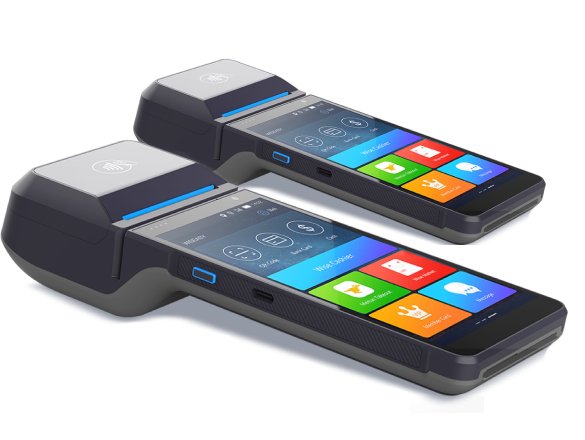
Virtual Pay has revolutionized payment processing by introducing Smart Point of Sale (POS) terminals. These terminals are designed to boost sales by offering secure and convenient payment options. Fully compliant with the Payment Card Industry Data Security Standard (PCI DSS), these POS devices are equipped to accept all credit and debit cards, ensuring a wide range of payment options for customers.

In addition to their diverse card acceptance, these devices are also wireless and portable, with a battery life of up to 8 hours. One unique feature of these smart terminals is their quick settlement speed. Businesses receive their money within 24 hours of transactions conducted during working days.

Benefits of Using Virtual Pay Smart Terminals

Virtual Pay Smart Terminals offer a host of benefits. They provide chip and pin capabilities and enable quick customer payments. They also offer convenience, save time by eliminating the need to deposit cash in the bank, and facilitate minimal contact for better hygiene. These terminals are designed to increase high-value sales and impulse purchases, and they offer instant transaction reports and daily, weekly, or monthly statements.

Competitive Pricing of Virtual Pay Smart Terminals

Virtual Pay offers competitive pricing for its services. The fee per transaction is 2.8% for branded cards and 3.3% for premium branded cards. These competitive rates make Virtual Pay Smart Terminals a cost-effective choice for businesses looking to streamline their payment processing and improve the overall customer experience.

Conclusion

In conclusion, upgrading to a smart POS terminal can revolutionize the way your business operates. It can enhance operational efficiency, improve inventory management, refine your sales strategy, integrate with existing systems, reduce administrative work, improve customer relationships, enhance security, and make employee tracking easier.

Virtual Pay Smart Terminals are an excellent example of a smart POS terminal that offers all these benefits and more. Embracing such technology can provide a significant boost to your business and set it on the path to success.

Payment Processors: Choosing The Right Fit for Your Business

A business which plans to accept payments from individual clients whether online or offline – needs to process its payments, which are done via multiple channels. Typically, these channels are bank cards, online wallets, e-money, over-the-phone payments & POS payment terminals. For each of these purposes, selecting the right payment processor is crucial for the business model.

What is a payment processor?

A payment processor is a company which provides technological solutions that enable buyers to pay for the merchandise they buy from the company, whether this is in the form of goods or services. Such solutions can be customised for various channels of payments, both online and offline. Depending on the business model andchannels which are accepted for customers to use to pay for anything a company sells, it shall choose the best payment processor for small business (or whatever it is the size of the company’s business).

The task of a processor of payments is to charge the customer’s account with the money and deliver it to the seller’s account, which is opened in a bank or is run as a merchant account (whatever is legally allowed in the seller’s country).

There are several factors to bear in mind when one is going to go through that process.

Factors to consider when you choose a payment processor

  1. Types of transactions that you plan to make. The most widespread options of payment today are via credit cards & debit cards. But there are also other ways, more or less popular in your destination, country’s legal model & business type: e-wallets, cryptocurrency, direct debit from bank accounts, phone payments, prepaid cards, cheques, or gift cards. Make sure that the best online payment processor you’re going to select supports those channels that you need in its technological solutions.
  1. Channels of accepting payments: on your website, on a third-party website, via mobile payments or apps, POS terminal in an offline point of sales, recurring payments, etc.
  1. Pricing. There are many ways of charging for handling your transactions. They include per-transaction commission, monthly and yearly fees, foreign currency exchange fees and rates, commission for chargebacks, requirements to minimal turnover (if you don’t have that, you might be charged an extra fee), setup fee, disputed transaction fees, etc. When you consider these altogether, you can compare different processors and find out, which is the best online payment processor for you (or an offline one, should that be the case for your business).
  1. Pricing changes. Find out, whether there are annual or otherwise periodic reconsiderations of pricing that a processor makes for its clients and how the pricing changes. Thus, you will know, what the cost of handling your transactions over the years is, so you can compare various companies by that factor.
  1. What are the technological and technical solutions offered? Some processors offer POS terminals to install in offline points of sales so clients can pay with cards. Others don’t do it and so you have to ask them from your bank (which might also offer online & offline processing solutions — that you have to explore too, actually). They might also offer the integration of data flows with your accounting and taxation systems. If that’s what you need — great! However, remember that although basic POS models that can read magnet stripes might have no extra cost, models with contactless payment and chip-reading options might cost extra.
  1. Time until deposit arrives in merchant account. Depositing the money that your customers pay you onto your account goes with some periodicity: same day, next day, in a few days… Sometimes, it is even transaction-based. Choose the processor depending on how quickly you want the money to get into your account.
  1. Customer support. The best online payment processors out there will offer you the full cycle of support, including the installation, set-up, tuning according to the requirements of your business model and its changes, assistance with technical and client issues & solving all emergency issues you might have. It is a very important part of the selection process and you really don’t want this part to go wrong.

A list of the largest payment processors on the market

Now, let’s look at some examples of payment processors which are the most well-known on the global market:

  • Braintree
  • PayU
  • Amazon Payments
  • Authorize.Net
  • PayPal
  • Skrill
  • 2CheckOut
  • Stripe
  • OrangePay
  • BlueSnap
  • Shopify
  • WooCommerce.

In addition, many local banks in various countries also offer their white label or composite solutions of payment processing, such as the PrivatBank or Oschadbank commercial banks in Ukraine, which provide the full card processing cycle, domestic and international. So, you should check that out with the banks in your country first — this might be cost-optimal, fully legally compliant, with all required support for setting up and running and the money goes into your bank account directly, with automated cross-currency conversion.

Conclusion on the payment processor selection

Although the modern world has many companies that provide processing of payments, they aren’t all equally good for your particular business model. Choose them based on our advice.

Apply For A Merchant Account